
No pressure and no obligation: send your details and our team will put together an estimate for Fireplace Restoration Richmond
A fireplace has to work properly before it can look its finest, and that idea runs through every answer below. Homeowners around Richmond who search for “fireplace restoration” often focus on one visible problem, which is the right place to start, yet the surrounding parts matter too. Here you will see how hearth and firebox restoration is approached, which checks protect your home and how to plan the job so it holds up well over time.

Usually, yes, as long as the structure behind the visible parts is sound. A fireplace that drafts well and has a solid firebox can often be refreshed or repaired with far less disruption than a full replacement, and the room gains a working focal point again. The value depends on the condition of the masonry, the damper and the chimney, how often you plan to use it and whether the work fixes a safety issue or is mainly cosmetic. Start with an inspection, then choose between cosmetic, repair and conversion work with a clear picture of what each involves.
The line we draw is between the parts you see and the parts that handle fire and smoke. Remodeling deals with surfaces and fuel: tile, stone, mantels, surrounds and conversions. Repair deals with the working core: the firebox, the throat and damper, the smoke chamber and the metal components that seal or protect them. On real jobs the two often overlap. Pull off an old surround and you may find gaps that let heat reach framing; open the damper and you may find a crumbling smoke shelf. We sort each finding into must-fix and nice-to-have so you can plan sensibly.
The signs show up in how the doors move and how they look. Doors that drag, sag or spring open, glass with cracks or heavy clouding, mesh with holes that let embers through and frames that have come loose from the masonry are all reasons to call. We see most door damage on fireplaces that were run hot with the doors shut, which overheats glass and metal, and on older sets whose fasteners have rusted. Often the fix is a new hinge pin, a latch, a mesh panel or replacement glass rather than a whole new enclosure.
Look for materials that do not belong. Gray hardware-store mortar between firebricks, caulk or silicone in joints, ordinary red brick patched into the firebox and paint covering cracks inside the opening are all signs of a repair that will not last. Outside the firebox, mismatched mortar color, smeared joints and a mantel fastened too close to the opening are common. Poor repairs often fail again quickly and can hide damage. If you are researching “fireplace restoration” in a home with a history of patch jobs, ask for an inspection that notes earlier repairs as well as new damage.
Most firebox damage is repaired by repointing worn joints and replacing cracked bricks, without rebuilding the whole firebox. Old, loose mortar is raked out and replaced with refractory mortar made for direct heat, since ordinary mortar breaks down quickly in a firebox. Bricks that are cracked through or crumbling are cut out and replaced with matching firebrick. When large areas are failing, or the back wall has bulged, a section or the full firebox lining is rebuilt. Afterward, the repairs need time to cure, and the first fires should be kept small.

Often it can, because cast iron rusts on the surface long before it fails. Period fronts, decorative inserts and summer covers are usually taken apart, stripped of old paint and rust, and finished with a graphite polish or a heat-tolerant coating that suits the original look. Hairline cracks in a front that sits away from direct flame can sometimes be repaired by a specialist, while a section that has split through, or a missing piece, may be replaced with a casting made to match. The firebox and damper behind the front still need checking, since a handsome front does not make an unsafe opening usable. Ask about both when planning hearth and firebox restoration.
Small repairs, such as replacing a few firebricks or fixing a damper, often take a single visit, while refacing, mantel work or a conversion can take several working days spread over a week or two. Masonry and mortar need time to cure before the fireplace is used, and some finishes must set before the next layer goes on. Ordering stone, tile, a mantel or a gas insert can add weeks before work starts. Ask for a schedule that shows working days, waiting time for curing or materials and the earliest date you can light a fire again.
Keeping water away is nearly the whole game, because almost every badly rusted damper we replace traces back to it. Missing or damaged chimney caps, cracked crowns and condensation in unused chimneys feed moisture down onto steel and cast iron. Ash left in the firebox over a humid summer acts like a sponge. We recommend a cap, a yearly look at the damper and clearing out ashes at the end of the season. Surface rust on doors or grates responds well to a wire brush and stove paint, but rust that has eaten through a damper plate or firebox panel means replacement.
Ask the contractor for a specific date, because it depends on the materials used. Mortar, refractory cement and some adhesives need time to cure before they face heat, and lighting a fire too soon can crack fresh joints or loosen new finishes. After masonry work, the first fires are usually kept small to drive out remaining moisture gradually. Gas conversions are tested by the installer before handover. Keep the first few fires modest, watch for smoke in the room and make sure your smoke and carbon monoxide alarms work.

We work with people who live in their homes and with people who look after rental units around Richmond. Either way, you get a clear explanation of the work and what we found. Request a quote for one home or several and we will plan the visits with you.
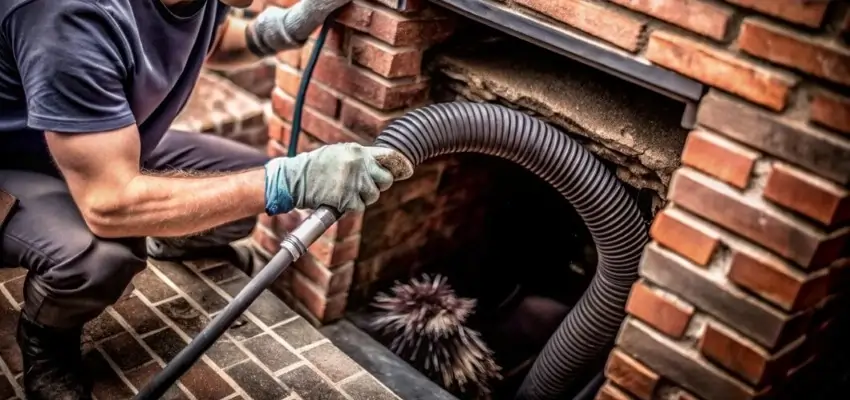
Burning wood often? Book Chimney Cleaning before next season, Richmond

Careful Chimney Sweep for wood fireplaces and stoves in Richmond
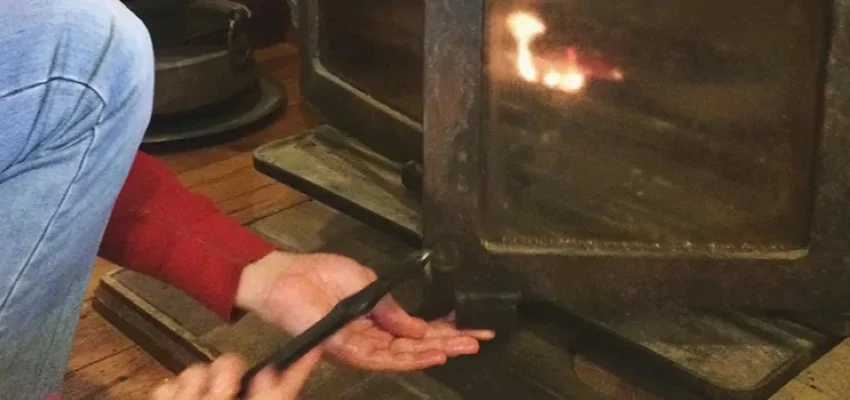
Chimney Sweep Services for fireplaces, stoves, and inserts in Richmond

Calm, careful Fireplace Experts for Richmond families
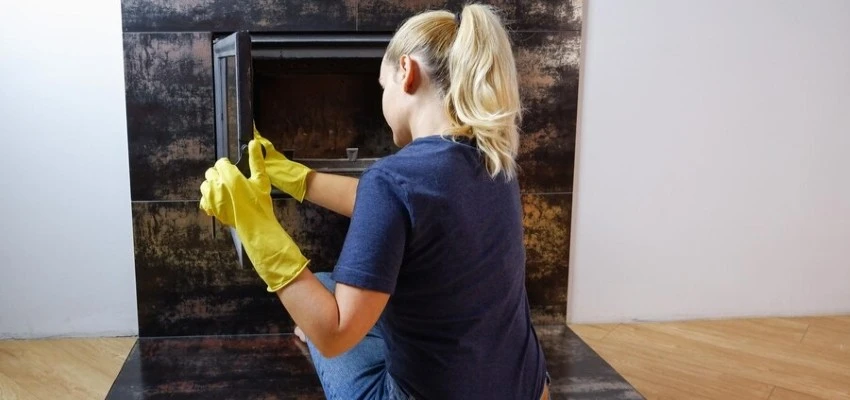
Hazy glass and dusty logs? Gas Fireplace Cleaning in Richmond
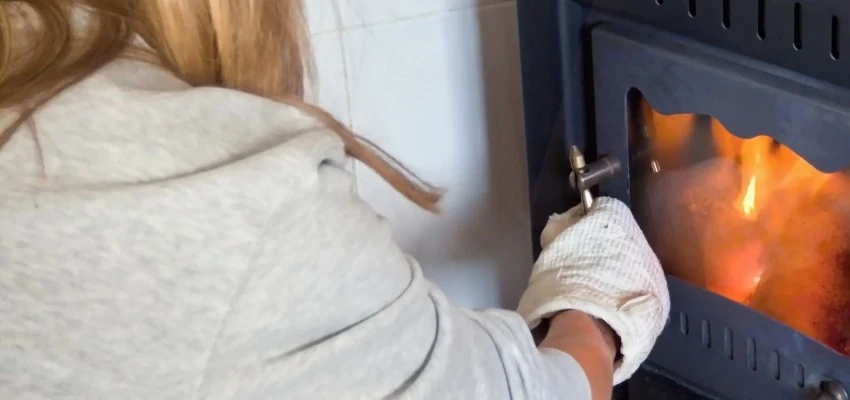
Burner ports, pilot hood, glass: Gas Fireplace Maintenance around Richmond

