
No pressure and no obligation: send your details and our team will put together an estimate for Kingsman Fireplaces Repair Richmond
Every fireplace has two jobs: keep the fire where it belongs and carry the exhaust safely outdoors. Any sound repair starts by making sure both still happen, and the answers on this page approach Kingsman gas fireplace repair the same way. They respond to what homeowners around Richmond ask after looking up “kingsman fireplaces repair”, with clear notes on warning signs, the checks you can safely make yourself and the work that belongs to a qualified technician.

Only in the details; the principles carry over. A thermocouple on one gas fireplace does the same job as on another, yet the mounting, length and connection can differ, and an electronic ignition board from one generation rarely fits the next. Wood stoves are similar, since baffles, air tubes and door latches vary by model even inside one product line. In practice, the first few minutes of every visit go to confirming exactly what we are looking at. After that, the diagnosis follows a routine any trained technician would recognize, and parts are matched to the model, not to the brand in general.
The repairs we make most often follow the way each unit is used. Gas fireplaces that cycle on and off all winter wear out their ignition parts: thermocouples and thermopiles weaken, spark electrodes corrode and control modules eventually give up. Blower motors collect dust and start to rattle. Wood stoves take more physical punishment, so we replace door gaskets, firebricks and baffle boards that have cracked or sagged from heat. Glass gets attention on both types. None of this points to a bad brand; it is ordinary wear on equipment that works hard for months at a time.
A rotten-egg smell, a strong smoky odor in the room, a bang or whoosh when the burner lights and a grinding blower are the ones to take seriously. If you smell gas, do not touch switches or the fireplace controls; leave the home and call your gas utility from outside. For a delayed, booming ignition or smoke that keeps escaping, stop using the unit and book a check. Some sounds and smells are normal, though: light ticking as metal heats and cools, and a paint or oil smell during the first fires after new parts are fitted. Working carbon monoxide alarms add an extra layer of protection.
A lazy, yellow or sooty flame usually means the burner is not getting the air mix it was designed for. In a direct vent unit, common causes are logs or media shifted out of position, dust and debris in the burner ports, a vent pipe that has separated or a termination outside that is partly blocked by plants, snow or a nest. Soot on the glass is the visible sign. Turn the fireplace off, keep your carbon monoxide alarms working and book a check, mentioning when the change began. Venting faults on a sealed system need a qualified gas technician, not a quick adjustment.
A pilot that will not stay lit usually points to a weak flame sensor, a pilot assembly clogged with dust or a draft problem in the venting. On many fireplaces, a small sensor called a thermocouple or thermopile sits in the pilot flame and holds the gas valve open; when it wears out or the flame no longer reaches it, the valve shuts. Low gas supply and a blocked vent can cause the same symptom. Leave the unit off rather than relighting it again and again, and book a technician. If you ever smell gas, leave the home and call your gas utility from outside.

We work from the symptom backward. If a gas fireplace will not light, we watch what it does when you press the button or flip the switch: is there a spark, does the pilot form, does the main burner try? Each step narrows the problem to the ignition, the sensor, the valve or the supply. With a wood stove, the questions are about draft, sealing and wear, and the answers come from the gaskets, the baffle and how the fire behaves. Testing comes before replacing anything, so you are not paying for parts that were never the problem.
Once a year suits most households, and we adjust from there. A gas fireplace that runs every evening through the colder months collects more dust in the burner and more wear on its ignition than one lit a few times a season. A wood stove used as a main heat source may need its flue swept more than once in a winter. We note what we find at each visit, such as how dirty the burner was or how much creosote came out, and suggest the next date from that. Your manual’s recommendation is the baseline; your usage fine-tunes it.
Prepare by letting the unit cool completely and clearing the space around it. Turn a gas fireplace off several hours before the appointment, and do not light a wood stove that day so the firebox is cold. Remove decorations, screens, rugs and anything stored on the hearth or mantel, and leave a clear path from the door. If the vent ends outside, make sure the technician can reach it. Have the manual and any past service paperwork ready, keep pets in another room and plan to be home to describe the problem and hear what was found.
Keep it simple and stay on the outside of the unit. Dust the louvers and the area around the fireplace when it is cool, keep the outside vent cap clear of snow, leaves and plants, and replace remote batteries before the heating season. Look at the flame now and then: blue at the base with soft yellow tips is typical, while dark soot or a changing flame is worth reporting. Note anything unusual and when it started. Booking a yearly check, rather than waiting for a “kingsman fireplaces repair” search in midwinter, catches worn parts while the fireplace is still working.

The hardest part is often deciding to deal with it. Once you call (778) 719-4793, we take care of the scheduling, explain the visit and send a technician to your home in Richmond. It is a straightforward way to get your fireplace looked after.
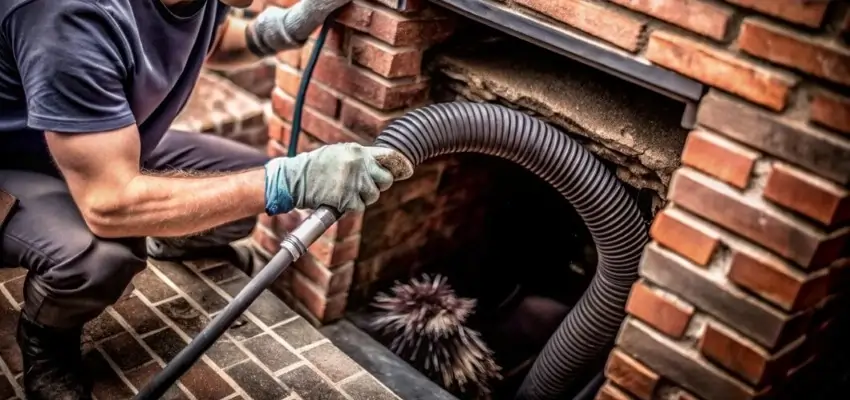
Burning wood often? Book Chimney Cleaning before next season, Richmond
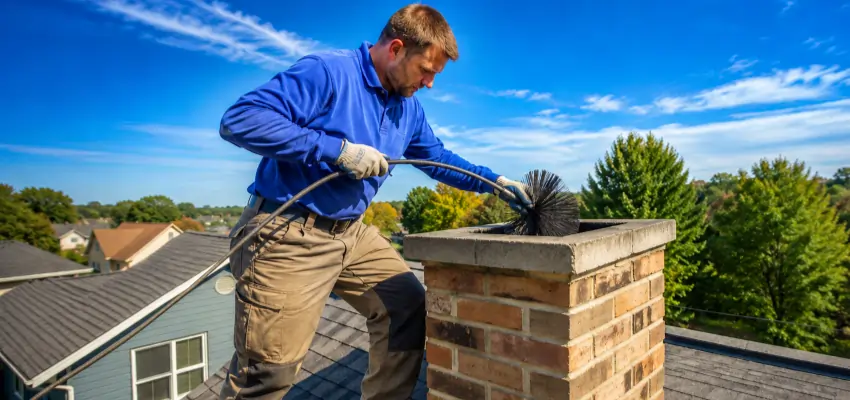
Careful Chimney Sweep for wood fireplaces and stoves in Richmond
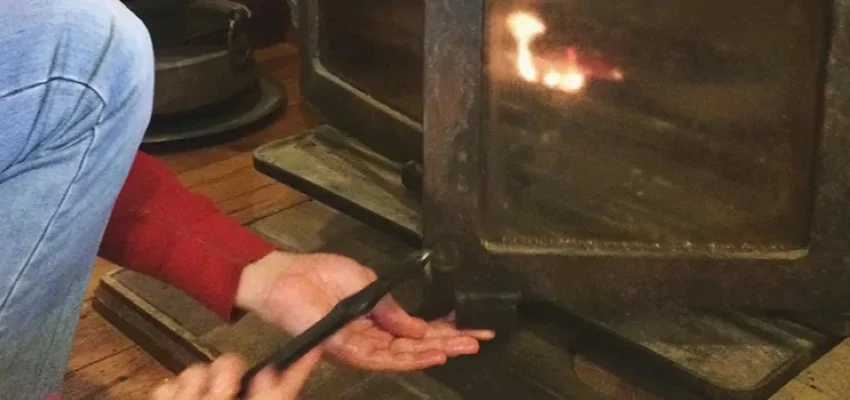
Chimney Sweep Services for fireplaces, stoves, and inserts in Richmond
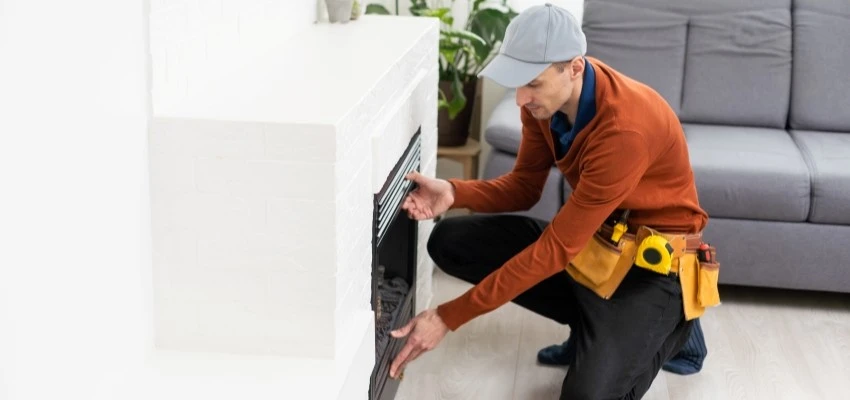
Calm, careful Fireplace Experts for Richmond families
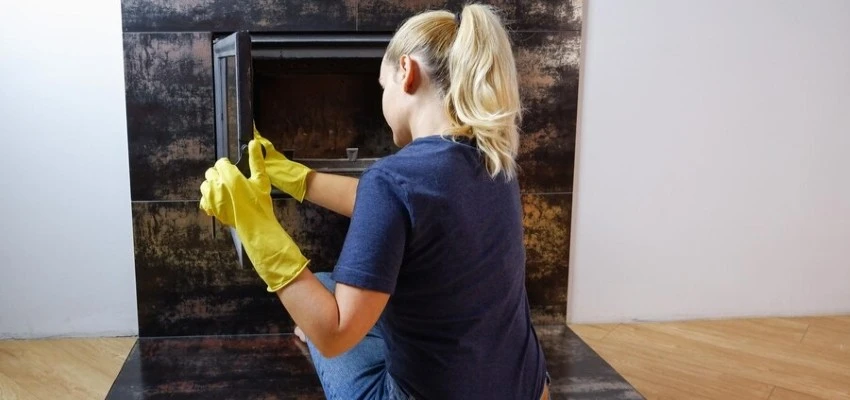
Hazy glass and dusty logs? Gas Fireplace Cleaning in Richmond
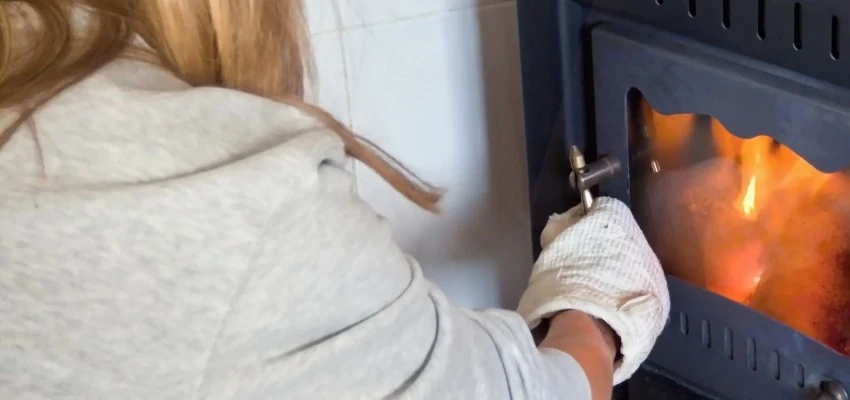
Burner ports, pilot hood, glass: Gas Fireplace Maintenance around Richmond

