
No pressure and no obligation: send your details and our team will put together an estimate for Majestic Fireplace Repair Richmond
Clicking without a flame, a stove that will not hold a fire overnight, a smell you never noticed before: fireplace trouble usually starts with one small symptom. People in Richmond who search for “majestic fireplace repair” tend to have a specific problem in mind and a handful of general questions besides. Both are covered here, explained by technicians who open up gas and wood units every week, together with honest notes on what Majestic fireplace and insert repair can and cannot fix.

Many Majestic fireplaces in homes are factory-built units that have been in place for a long time, so the first question is how the original parts have held up. Common needs include replacement refractory panels, glass door gaskets, damper repairs on wood models and ignition parts on gas models. Because brands change ownership and product lines over the years, a technician tracing parts for an older unit relies on the rating label rather than the name alone. If your “majestic fireplace repair” search began with a fireplace that came with the house, that label is the first thing to find.
Thumping ignition, grinding fans, electrical burning smells and lingering smoke are the warning signs; ticking metal and a brief new-part smell usually are not. Telling them apart is a big part of our job. A delayed light-off that rolls flame out of the firebox suggests a dirty burner or a weak igniter. A fan that squeals has worn bearings. A sharp, plastic smell can come from wiring touching something hot. On gas units, the smell of gas means leaving the house and calling the gas utility from outside before calling anyone else, us included.
A pilot that will not stay lit usually points to a weak flame sensor, a pilot assembly clogged with dust or a draft problem in the venting. On many fireplaces, a small sensor called a thermocouple or thermopile sits in the pilot flame and holds the gas valve open; when it wears out or the flame no longer reaches it, the valve shuts. Low gas supply and a blocked vent can cause the same symptom. Leave the unit off rather than relighting it again and again, and book a technician. If you ever smell gas, leave the home and call your gas utility from outside.
Most branded fireplaces wear out in predictable places, whatever name is on the front. Typical problems include:
None of these is unusual, and most can be repaired once the cause is confirmed.
Plan on an hour or two for most visits, with exceptions we can usually predict. The unit needs to be cold before we open it, so a fireplace that was running that morning adds waiting time. Diagnosis is quick when the fault happens on demand and slower when it only shows up after the unit has been running a while. Parts are the other variable: if we carry the part, the repair usually happens on the spot; if it has to be ordered, we schedule a return trip and share what we know about delivery.

The cost of fireplace repair depends mainly on the part involved, how hard it is to reach and how long diagnosis takes. A worn gasket or thermocouple is a modest job, while a control module, gas valve or blower buried deep inside an insert takes more time and a costlier part. Older or discontinued models can add time spent tracking down the right component, and some repairs need a second visit once the part arrives. Ask for a quote that separates labor from parts and explains what is included, so you can compare offers fairly.
Sometimes, but only with products the fireplace manufacturer allows. A factory-built wood fireplace is tested as a system, and its manual lists which gas log sets, if any, can be installed in it. Fitting an unlisted set can affect clearances, venting and how hot the firebox runs. A technician can check your model’s documentation before you buy anything, and the gas connection itself is work for a qualified gas technician. Ask about this while you research “majestic fireplace repair”, since converting and repairing often come up together on older units. Chimney Sweep Richmond is an independent company, so the answer comes straight from the manual.
Specific symptoms help most, along with the label information and the age of the unit if you know it. “It will not turn on” could mean no spark, a pilot that lights and drops out or a burner that never follows; each points somewhere different. Tell us whether the fireplace runs on a remote, a wall switch or a thermostat, whether it has power to it and when it was last serviced. For wood stoves, mention how the fire behaves and what wood you burn. Short videos of the startup are surprisingly useful, since they let us hear and see the sequence.
It should work the way it did when it was healthy, and we check that before leaving. We run the fireplace through a full start, watch the flame pattern and confirm the controls respond, or for a stove, make sure new gaskets seat properly when the door latches. Fresh paint, adhesives and new gaskets can give off a smell for the first few burns; that is expected and fades quickly with some ventilation. What is not expected is the same fault coming back. If it does, let us know, because an intermittent problem sometimes has a second cause hiding behind the first.

Not every issue makes a noise or a smell before it grows. A routine look at your fireplace is the simplest way to find out where things stand. Call (778) 719-4793 and book Majestic fireplace and insert repair with the Chimney Sweep Richmond team.
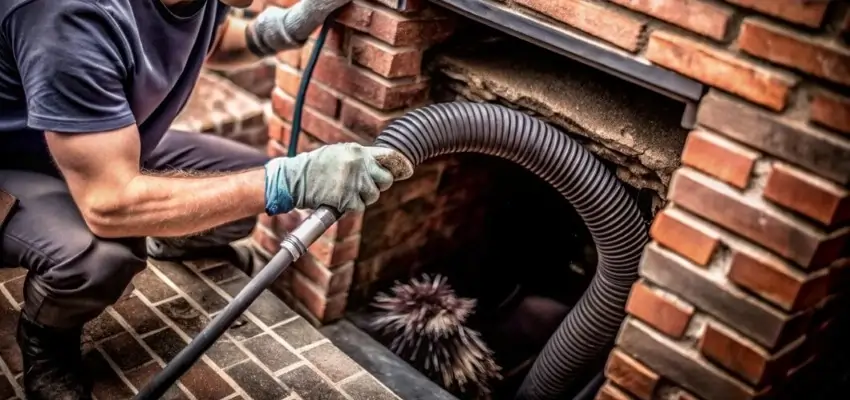
Burning wood often? Book Chimney Cleaning before next season, Richmond
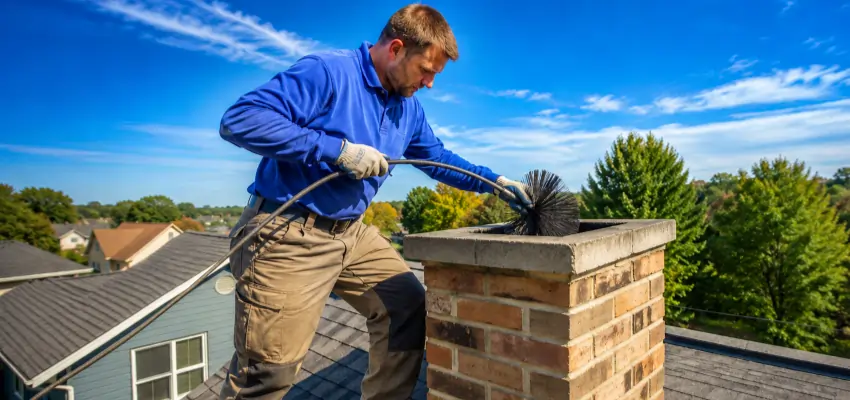
Careful Chimney Sweep for wood fireplaces and stoves in Richmond
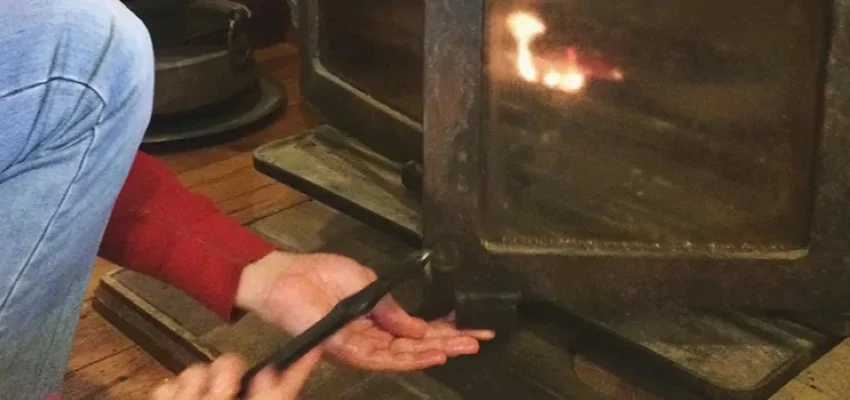
Chimney Sweep Services for fireplaces, stoves, and inserts in Richmond
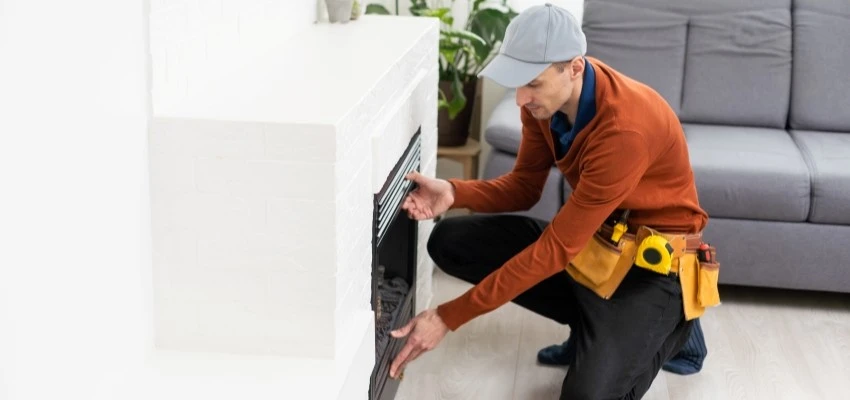
Calm, careful Fireplace Experts for Richmond families
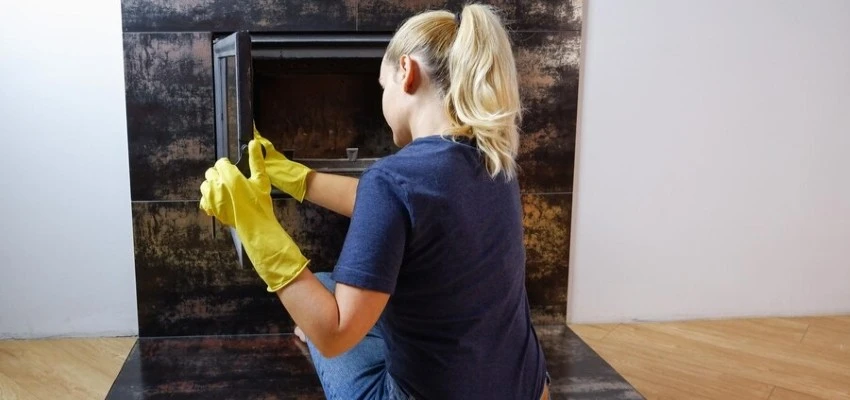
Hazy glass and dusty logs? Gas Fireplace Cleaning in Richmond
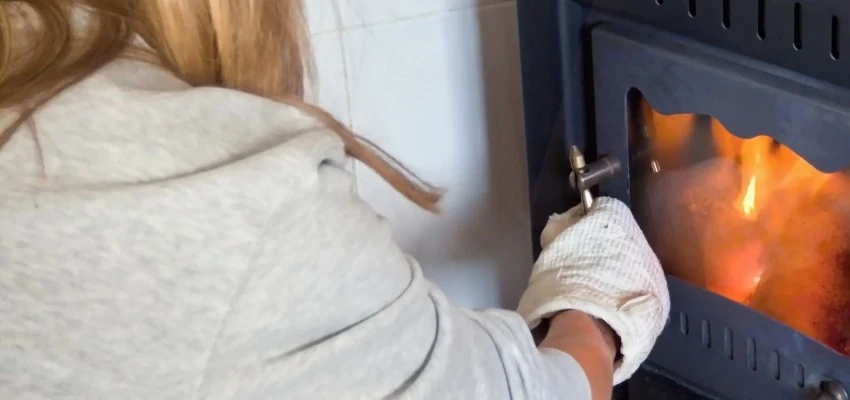
Burner ports, pilot hood, glass: Gas Fireplace Maintenance around Richmond

