
Burner, pilot, valve, controls, and vent are the parts a licensed gas technician from Chimney Sweep Richmond works on here. Glass, fronts, liners, and blowers are on the appliance page. Below is what makes these fireplaces different on the gas side, the complaints we hear, the order we test things in, and the venting that ties it together.
The FV41 Classic burner runs from roughly a third of its full input up to its maximum, which lets the fire idle very low on a mild evening. The FireIn burner on the same firebox is built to imitate a wood fire burning inside the logs, with glowing embers and flame emerging from within, and its lowest setting is about half its maximum. Owners who switch from one to the other, or who move into a house with a FireIn unit, sometimes call because the fire will not go any lower, when it is behaving exactly as designed.
Both burners depend on the log set sitting precisely where the manual shows. The FireIn especially uses specific logs to hide and shape the flame, so a log placed slightly off changes the look more than it would on a conventional burner. On older DXV units, the Deep Timber and TimberFire log sets play the same role, and a flame that suddenly looks wrong after cleaning is almost always a placement issue rather than a gas issue.
The gas-side complaints we hear on these fireplaces fall into a familiar pattern, with a usual cause for each.
Pilot lit but the burner ignores the thermostat - low thermopile output on a millivolt unit, or a wall thermostat wire broken inside the wall.
PF2 unit sparks and quits - the Proflame 2 module locked out after the pilot failed to prove, usually from a dirty pilot hood or flame sensor.
Flame lifts off the burner on high - burner pressure set above the plate figure, or a conversion kit that was only partly fitted.
Soot building on the logs - logs moved into the flame path, or ports partly blocked by ember material, giving a yellow, dirty flame.
Fire drops out after an hour or two - a thermopile that tests fine cold but weakens hot, or a vent restriction that lets combustion products recirculate.
A smell of gas with the unit off is a different matter. Turn the supply valve off, keep flames and switches out of it, and call from outside the room.
The visit follows a fixed order so that each reading is trustworthy. First the controls: thermostat or remote, receiver batteries, and wiring at the valve, because a heater-rated fireplace is often run by a wall thermostat and that circuit is easy to overlook. Then the pilot: flame shape and contact with the thermocouple and thermopile, or with the sensor on a PF2 unit. A millivolt reading is taken twice, once at rest and once with the burner running.
Next come pressures. A manometer on the valve ports gives inlet and outlet pressure, which must match the plate figures for the fuel in use. Then the burner: logs checked against the manual, ports cleared, and the flame watched on high and low with the glass on. Every fitting that was disturbed is leak-tested before the front goes back on.
Direct-vent Mendota fireplaces exhaust through coaxial pipe to a wall or roof cap, while the FV33i and FV44i inserts use flexible liners up an existing chimney. On an insert, a liner that has pulled loose at the collar or a cap knocked crooked by ice causes a pilot that flickers out in wind and a flame that turns lazy. On a wall termination, snow, shrubs, and nests are the usual culprits.
We check the cap, the visible pipe, and the connection at the appliance on every gas visit. A carbon monoxide alarm on the same floor as the fireplace matters even with a sealed unit; if it sounds or anyone feels unwell while the fire runs, shut it off, ventilate, and call. With pressures confirmed and the vent clear, the valves and burners in this range give many winters of steady heat.
A quick look before you call saves time: check whether the controls are a wall thermostat, a remote, or both, whether a pilot flame shows, and whether the rating plate says natural gas or propane. If you know the burner type, Classic or FireIn, mention it. Our technicians are licensed gas fitters, Chimney Sweep Richmond is insured for the work, and most Mendota Gas Fireplace Repair Richmond visits end with the fire running again before we leave.
Call (778) 719-4793 to book a gas fireplace repair visit, or contact us with a photo of the plate and a line about the symptom. Owners get a confirmed time and the likely parts list in reply.
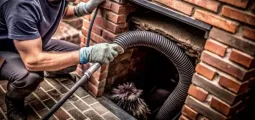
Keep your home safe and your chimney spotless in Richmond. Our professional chimney cleaning team removes buildup so your fireplace works as it should.
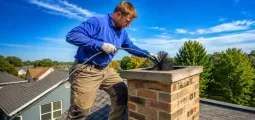
Experience the difference a thorough chimney sweep can make in Richmond. We clear soot, blockages, and hazards so your home stays warm and secure.
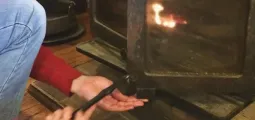
Comprehensive chimney sweep services are just a call away in Richmond. From creosote removal to smoke draft solutions, we’ve got your chimney covered.
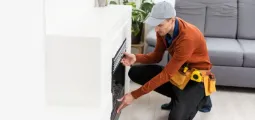
Need reliable fireplace solutions in Richmond? Our fireplace experts handle everything from inspections to complete restorations with precision.
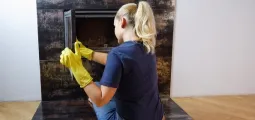
Restore the clean, cozy feel of your fireplace in Richmond. Our gas fireplace cleaning removes buildup and leaves your unit running smoothly.
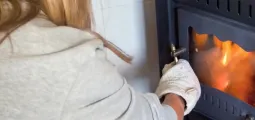
Stay warm all season long with expert gas fireplace maintenance in Richmond. We inspect and service all key components to prevent issues before they start.