
No pressure and no obligation: send your details and our team will put together an estimate for Pacific Energy Fireplace Repair Richmond
Fireplaces and stoves tend to show their faults when they go back to work after a long rest: a pilot that will not catch, glass that clouds over or, on a wood unit, smoke that puffs out when the door opens. If that sent you looking for “pacific energy fireplace repair”, you are in good company, and most of these problems have ordinary explanations. Below, households in Richmond will find practical answers about Pacific Energy stove and insert repair: what tends to wear out, what a technician checks and what you can safely look at yourself.

Usually, yes, provided the structure is healthy. When we assess an older unit, we look past the symptom to the shell: is the firebox intact, is the glass frame straight, are the vent connections solid? If those check out, repairing it is normally the sensible route. The picture changes when a gas control has been discontinued with no approved substitute, when steel has corroded from condensation, or when a stove has been overfired until its plates warped. In those cases we compare what it would take to keep it running with the option of replacing it, and the decision stays with you.
Not fundamentally. The stoves and inserts behind a search for “pacific energy fireplace repair” are built around the same clean-burning principles as many others: a sealed door, a baffle above the fire and secondary air that burns off the smoke. What differs from model to model is the shape of the baffle, how the air tubes are fixed and which gaskets and firebricks fit. A technician reads the rating label and works from the manual for that exact stove. Chimney Sweep Richmond is an independent service company, so our job is to follow those instructions carefully rather than represent the manufacturer.
Cloudy glass can be harmless or a clue, depending on its color. The chalky white film we see on gas fireplaces builds up gradually and mostly affects appearance, though left for years it can bake on for good. Black soot is the one we pay attention to, because carbon forms when the flame is not getting the air or gas mix it needs. That sends us to the burner ports, the log or media layout and the vent. On wood stoves, dark glass after every fire usually points to low air settings or firewood that has not dried long enough.
Servicing a wood stove is mostly about restoring a tight, predictable burn. We start with the seals, because a stove that leaks air burns too hot and too fast. Then we lower the baffle where the design allows, which lets us inspect the top of the firebox and the flue collar for creosote and corrosion. Firebricks are swapped if they are cracked through, and loose air tubes are reseated. If the stove uses a catalytic combustor, we check whether it is still doing its job. We finish at the stovepipe or liner and recommend a sweep if the deposits call for one.
Many fireplace repairs are finished in a single visit of an hour or two, especially when the problem is a common wear part the technician carries. Longer visits happen when the fault is intermittent, when an insert has to be pulled forward or when several issues turn up together. If the needed part is not in stock, expect a diagnosis visit followed by a second appointment once it arrives, which can take days or weeks for older or less common models. Ask for a realistic timeline before work starts, especially if you rely on the fireplace for heat.

Once a year suits most households, and we adjust from there. A gas fireplace that runs every evening through the colder months collects more dust in the burner and more wear on its ignition than one lit a few times a season. A wood stove used as a main heat source may need its flue swept more than once in a winter. We note what we find at each visit, such as how dirty the burner was or how much creosote came out, and suggest the next date from that. Your manual’s recommendation is the baseline; your usage fine-tunes it.
The model and serial number are printed on a rating label or metal plate attached to the unit. On many gas fireplaces and inserts, it sits behind the lower louver or grille near the controls, sometimes on a chain or tag that pulls out. On freestanding stoves, it is often on the back or underneath. Wait until the unit is completely cool, use a flashlight and take a clear photo rather than copying it by hand. Do not remove panels or touch gas parts to find it. If you cannot locate the label, photos of the front and the controls still help.
Clean it out and let it breathe. Once the last fire is out and the stove is cold, remove all ashes, since ash left in the firebox over a humid summer draws moisture and can corrode steel. Leave the air control slightly open and the door unlatched, if your manual allows, so air keeps moving through. Spring is also a sensible time to have the chimney swept, because deposits can smell in warm, damp weather. Note anything you noticed during the season, such as gasket or glass issues, and book the “pacific energy fireplace repair” work over the summer while schedules are lighter.
It should work the way it did when it was healthy, and we check that before leaving. We run the fireplace through a full start, watch the flame pattern and confirm the controls respond, or for a stove, make sure new gaskets seat properly when the door latches. Fresh paint, adhesives and new gaskets can give off a smell for the first few burns; that is expected and fades quickly with some ventilation. What is not expected is the same fault coming back. If it does, let us know, because an intermittent problem sometimes has a second cause hiding behind the first.

A few details help us plan the right visit:
Send us your details and we will reply with next steps for Pacific Energy stove and insert repair in Richmond.
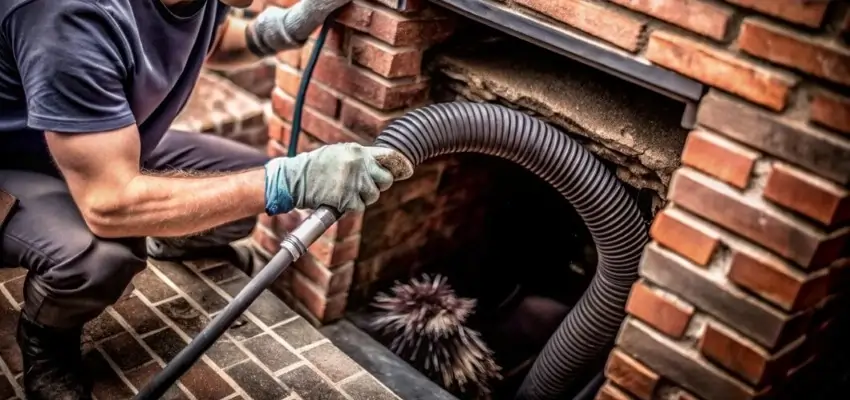
Burning wood often? Book Chimney Cleaning before next season, Richmond
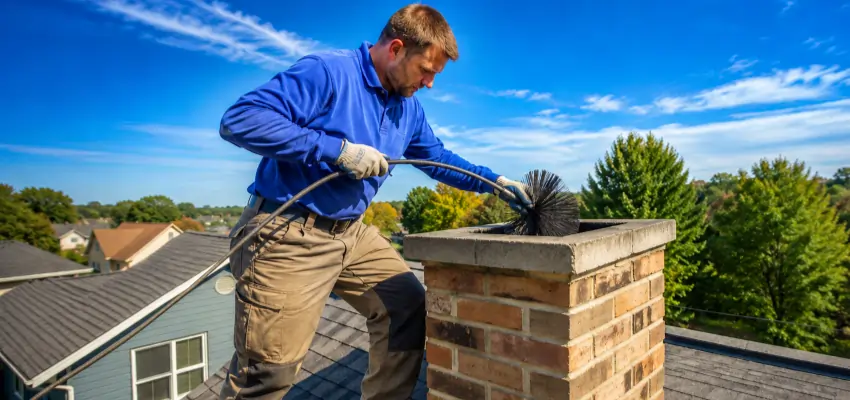
Careful Chimney Sweep for wood fireplaces and stoves in Richmond
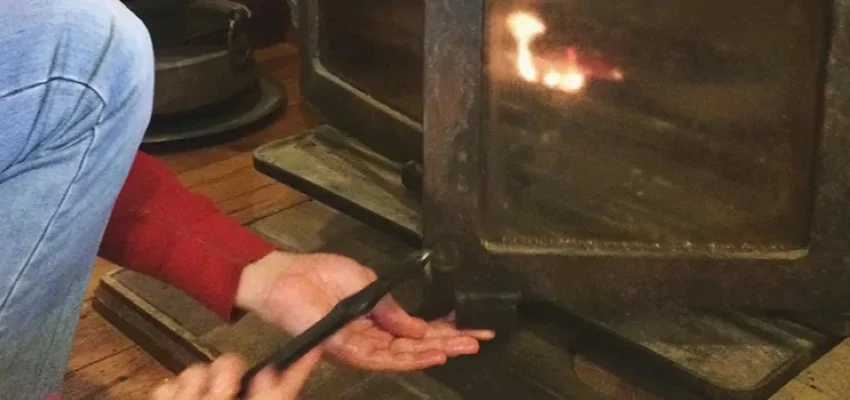
Chimney Sweep Services for fireplaces, stoves, and inserts in Richmond
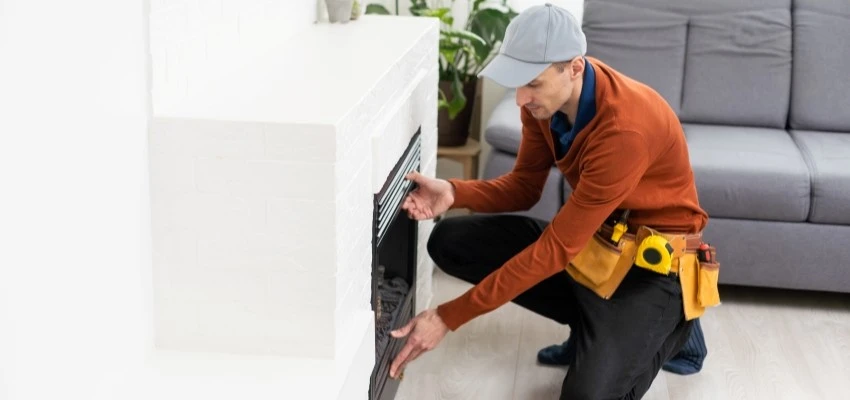
Calm, careful Fireplace Experts for Richmond families
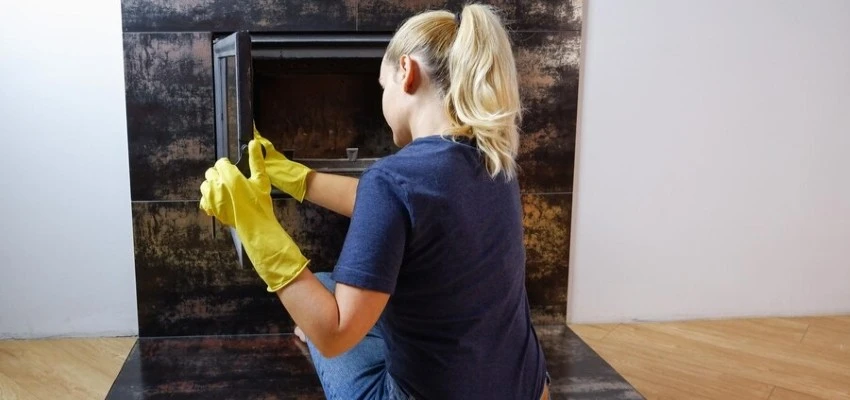
Hazy glass and dusty logs? Gas Fireplace Cleaning in Richmond
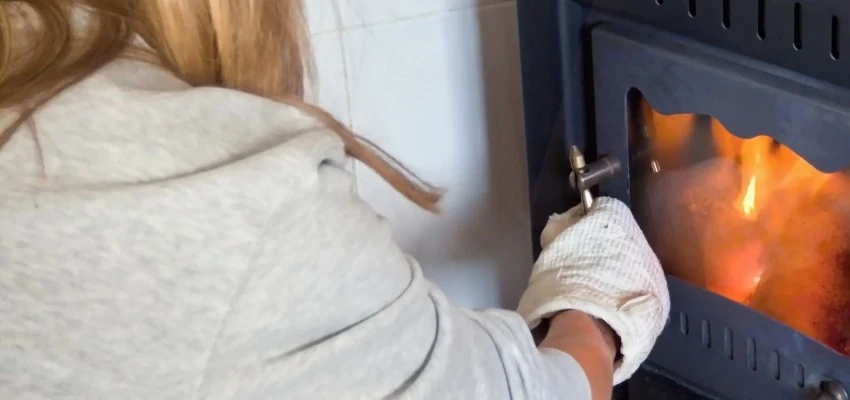
Burner ports, pilot hood, glass: Gas Fireplace Maintenance around Richmond

