
No pressure and no obligation: send your details and our team will put together an estimate for Wood Stove Repair Richmond
A fireplace or wood stove is part heater, part centerpiece and part exhaust system, and each part needs its own kind of attention. Homeowners in Richmond who search for “wood stove repair” often start with one problem and discover that the whole picture matters. Here you will find straightforward answers about wood-burning stove repair, from the basics of creosote and drafts to choosing who works on your home. Dip into whichever answers match your situation.

Repairing is usually worth it, because the costly parts of a wood-burning setup, such as the chimney and the masonry around a fireplace, are built to last a very long time. Worn mortar, a rusted damper, cracked firebrick and tired door gaskets are all fixable. Replacement starts to make sense when the main body is failing: a stove with a cracked or badly warped body, a factory-built fireplace whose metal box has rusted through, or masonry so damaged that rebuilding approaches the cost of starting over. A technician can lay out both paths with their pros and cons so you can compare them calmly.
That depends on where the crack is and what the stove is made of. Cracked firebricks, glass and baffles are routine replacements. A crack in a replaceable cast iron panel may be fixable by swapping the panel, if parts are still available. A crack through the main body of a steel or cast iron stove is more serious, since it can leak smoke and air, and repair is often not practical. A technician can assess the crack and tell you honestly whether repair or replacement makes more sense. If you searched for “wood stove repair” after spotting a crack, stop using the stove until it is checked.
The main warning signs are smoke escaping into the room, a fire that is hard to control and visible damage to the stove. Watch for smoke leaking around the door or glass, a door that closes without a snug feel, glass that blackens within a single fire and a fire that keeps roaring even with the air control turned down. Cracked or crumbling firebricks, a warped baffle near the top of the firebox and rusted or loose stovepipe sections are also red flags. Because a leaking stove can release carbon monoxide, keep alarms working and stop using the stove until it is checked.
The old rope gasket is pulled out of its channel, and the channel is scraped clean of old cement. A new fiberglass rope of the correct diameter and density is set into a bead of high-temperature gasket cement, pressed into place and trimmed so the ends meet without overlapping. The door is then closed to seat the rope, and the stove is run with small fires at first while the cement cures. A simple test afterward is closing the door on a strip of paper: it should be hard to pull out at several points around the door.
A common guideline is to have the chimney inspected once a year and swept whenever buildup calls for it, which for many households also works out to about once a year. Homes that burn a fire most evenings through the colder months may need a sweep more often, sometimes partway through the season, while a fireplace used a few times a year may go longer between cleanings. Wood stoves used as a main heat source tend to build up creosote faster. Damp wood, smoldering fires and cold outside chimneys all shorten the interval, so let the yearly check guide the schedule.

A routine cleaning or inspection usually takes about one to two hours, and a combined sweep and inspection can run a little longer. Time depends on how much creosote has built up, how tall the chimney is, whether the roof has to be accessed and whether a stovepipe must come apart. Glazed deposits and any small repairs agreed on during the visit add time, while larger masonry work is normally scheduled separately. Plan to be home for the whole visit and allow a few minutes at the end to go over the findings. Describing your setup when booking helps the company estimate the time.
It varies with the material, and we give every customer a specific answer before we leave. Mortar holds moisture after it is laid, and a roaring fire drives that water out too fast, which can crack fresh joints or pop new firebrick. That is why we suggest waiting through the full cure period and then building a few small, short fires to bring everything up to temperature gradually. Stove repairs follow the same idea on a smaller scale: a new rope gasket, for example, settles in over a couple of gentle burns. Caps, screens and dampers can be used immediately.
Brisk, well-fed fires instead of long, smoky smolders are what keep a stove in good shape between cleanings. Low, choked burns all night are the main source of the heavy creosote we remove. Owners who watch a stove thermometer and stay in the recommended range, reload onto a good bed of coals and open the air for a few minutes after each reload end up with much lighter sweeps. Small checks help too: listening for a whistle at the door, which signals a gasket leak, and looking over the pipe joints now and then. Those habits will not replace cleaning, but they make each visit easier.
Everyday upkeep is a homeowner job, but sweeping and inspecting the chimney are better left to a professional. Safe tasks include removing cold ashes, cleaning glass doors with a product made for fireplace or stove glass, keeping the hearth area clear, checking that the damper opens and closes and testing smoke and carbon monoxide alarms. Brush kits are sold, but they cannot tell you whether the liner is cracked, the smoke chamber is coated or the cap is damaged, and climbing onto a roof brings its own risk. A professional visit includes a look at the parts you cannot see.

You do not need to know the right terms before you call. Describe the problem in your own words and we will translate it into a plan for your wood stove. Reach us at (778) 719-4793 or ask for a quote online, whichever is easier for you.
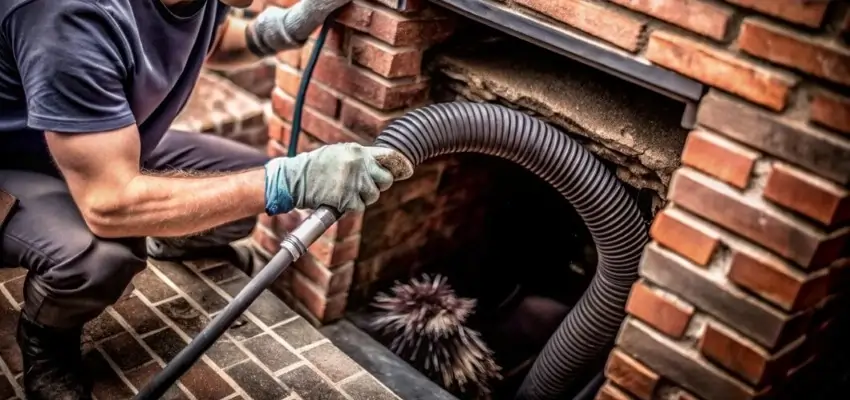
Burning wood often? Book Chimney Cleaning before next season, Richmond
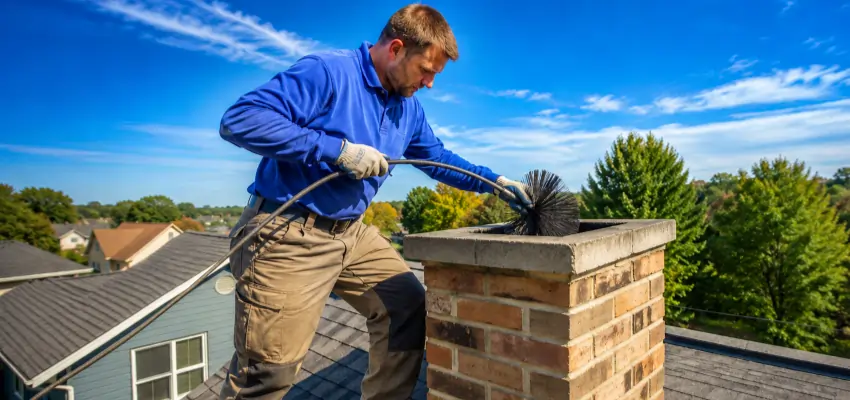
Careful Chimney Sweep for wood fireplaces and stoves in Richmond
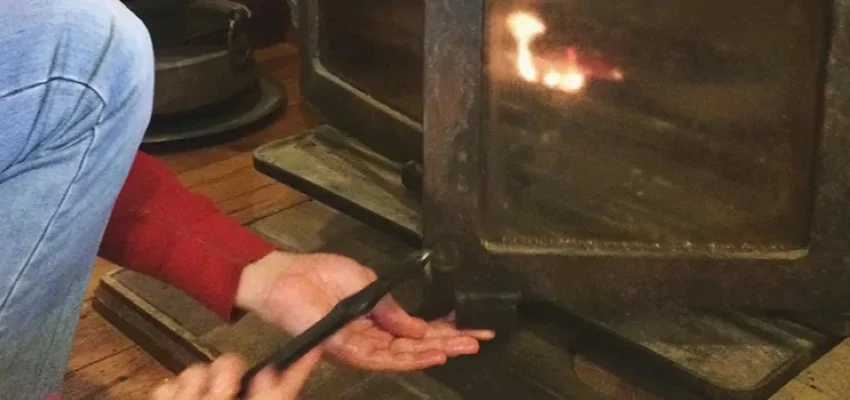
Chimney Sweep Services for fireplaces, stoves, and inserts in Richmond
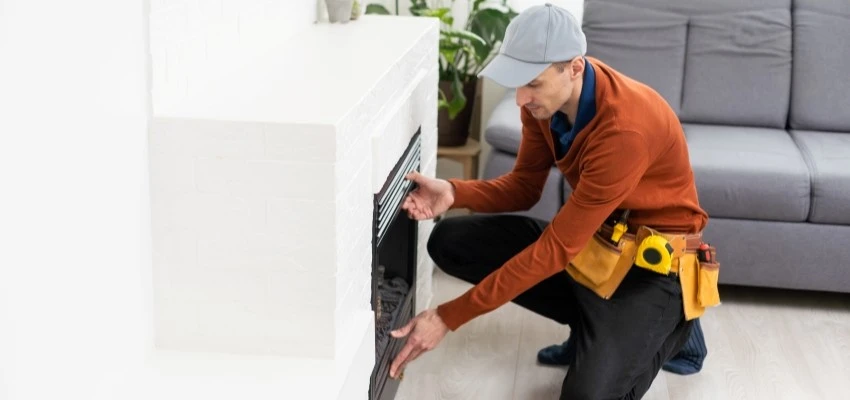
Calm, careful Fireplace Experts for Richmond families
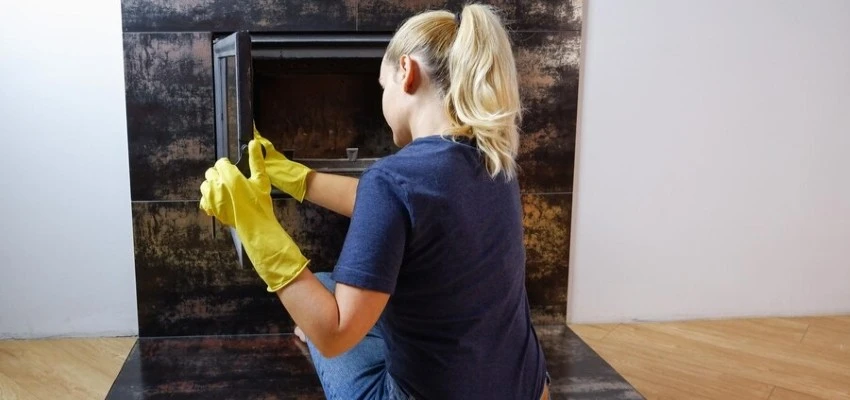
Hazy glass and dusty logs? Gas Fireplace Cleaning in Richmond
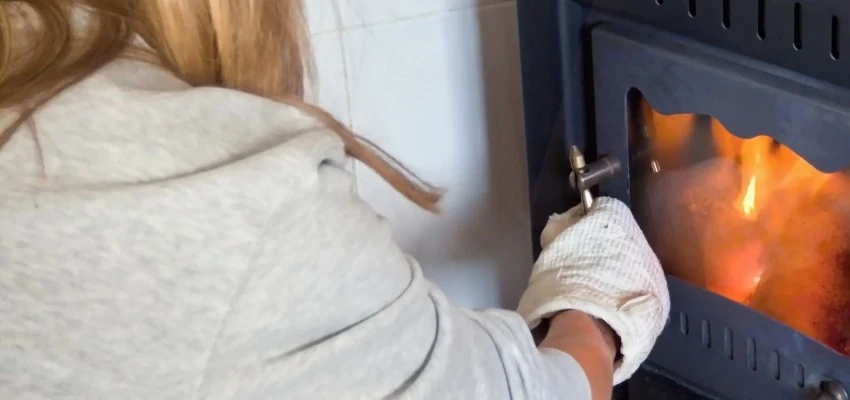
Burner ports, pilot hood, glass: Gas Fireplace Maintenance around Richmond

